High School Football Photography: Finding Enough Light Under the Friday Night Lights
There’s nothing quite like the energy of Friday night high school football. The crowd buzzing, the lights warming up, the first kickoff about to happen. But for photographers, this is when the real challenge begins—capturing sharp, clean sports photos in low light.
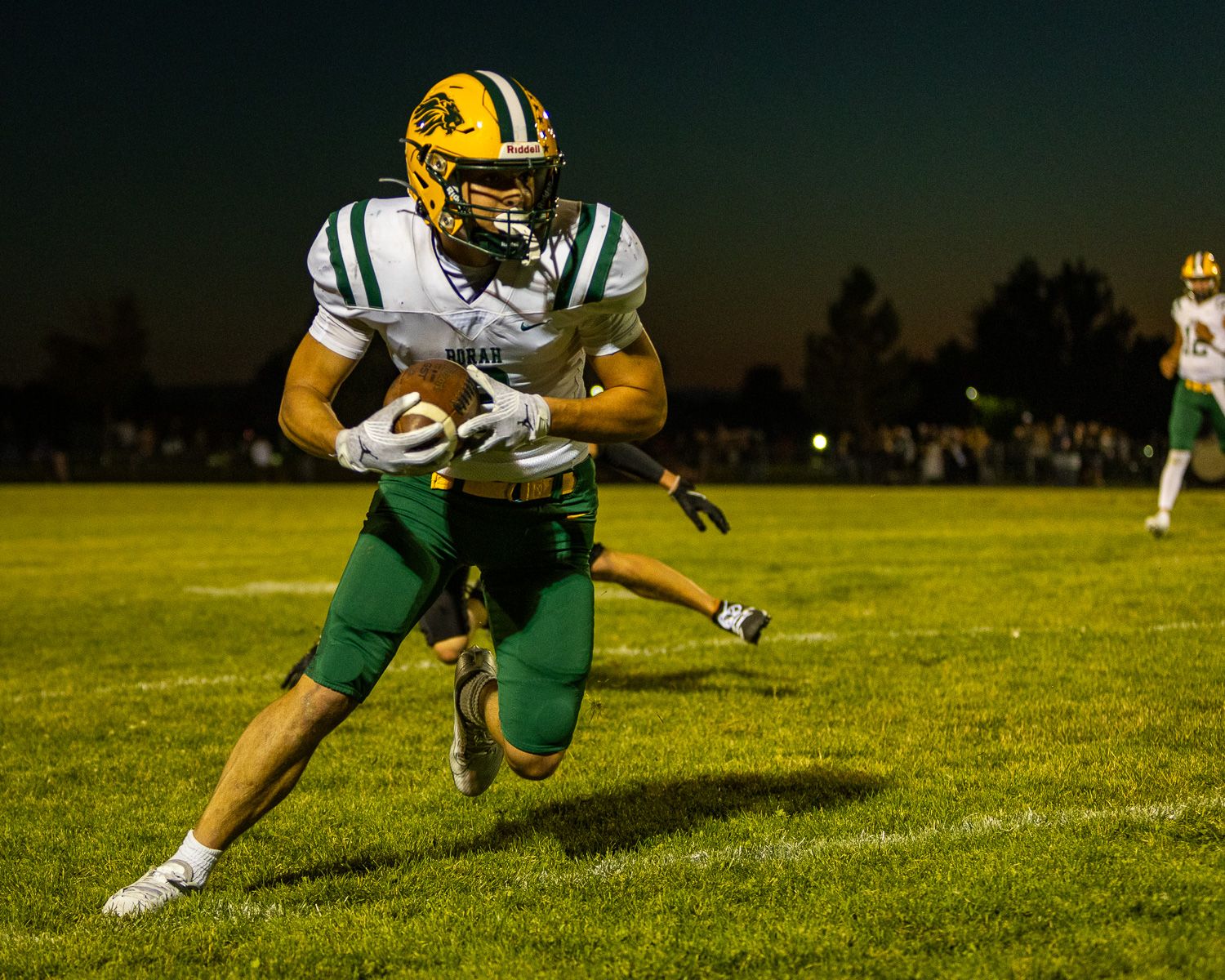
My First Friday Night Football Photography Experience
When the Borah High School booster club asked me to photograph their football games, I was excited… and nervous. Up until then, I had mostly shot daytime baseball and junior high football games with my Canon 80D—plenty of natural light, no problem.
But that first night under the stadium lights was brutal. I set my shutter speed as low as possible without blurring action, opened my aperture wide, and cranked the ISO to the max. Even then, my photos came out noisy, grainy, and disappointing. Out of hundreds of shots, only a handful were usable.
That’s when another photographer asked me, “How fast is your lens?” At the time, I didn’t even know what that meant—but it changed everything.
The Best Lens for Night Sports Photography
After some research, I learned about lens speed and maximum aperture. Soon after, I upgraded to a Canon 70-200mm f/2.8 lens, and the difference was night and day. A fast lens like this lets in more light, which is critical for capturing fast-moving athletes under dim stadium lighting.
If you’re shooting high school football photography at night, investing in a lens with a wide aperture (f/2.8 or faster) is one of the best upgrades you can make.
Handling High ISO Noise in Low Light Sports Photography
Even with a fast lens, you’ll still run into high ISO noise. That’s where post-processing comes in.
- Shoot in RAW – RAW files give you more flexibility in editing and better results with noise reduction.
- Use Adobe Lightroom Denoise AI – This tool has been a game-changer for me. It takes about 10 seconds per 24MP file, but the results are worth it.
- Try Topaz Denoise AI – If you shoot JPEG or want another option, this software is highly recommended by many professional sports and wildlife photographers.
Tips for Better High School Football Photography
Here are a few things I wish I knew when I first started:
- Use a fast lens (f/2.8 or faster) for more light.
- Keep your shutter speed fast enough (1/500 or faster) to freeze action.
- Don’t be afraid of high ISO—modern cameras plus good editing tools can handle it.
- Shoot in RAW for maximum flexibility in post-processing.
- Learn noise reduction techniques to salvage otherwise unusable shots.
Final Thoughts: Keep Learning, Keep Shooting
If you’re just getting started with high school sports photography, don’t get discouraged. Night games are tough, but that’s what makes nailing a shot so rewarding. Each game will teach you something new, and your photos will get better every week.
The key takeaways? Fast glass, smart camera settings, and good post-processing. Master those, and you’ll be able to capture the excitement of Friday night football under the lights.